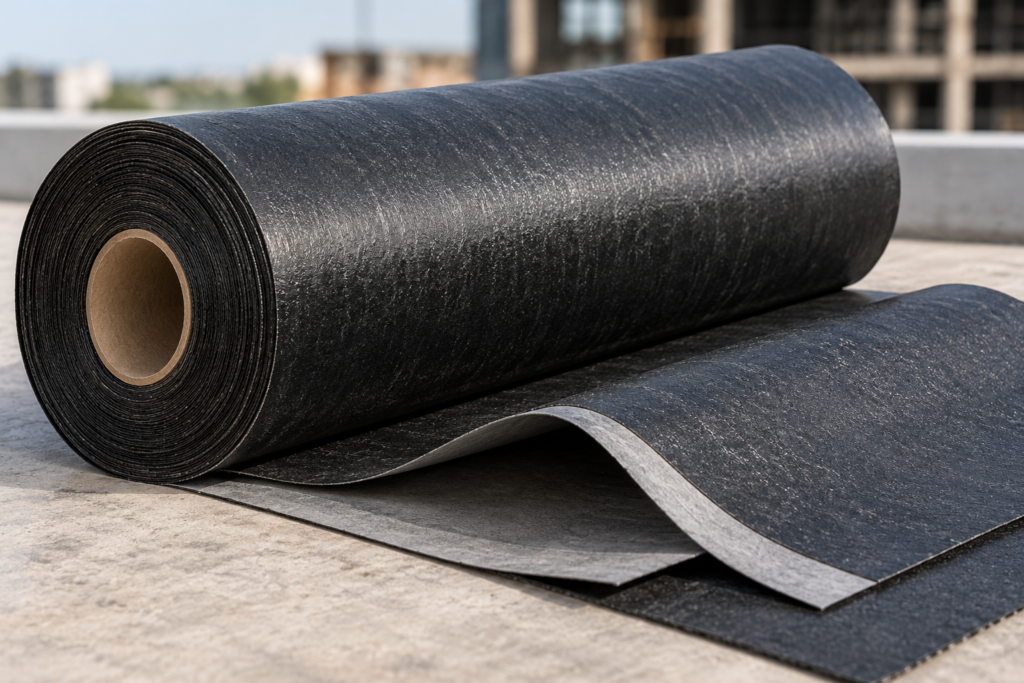
Moisture can affect roofs, walls and other building surfaces, making suitable waterproofing materials an important part of construction and maintenance. Bitumen Paper is used in selected roofing, insulation-related and damp-proofing applications because its bitumen coating can help resist water penetration. When selected for the right purpose and installed as part of a suitable building system, it may provide an additional protective layer against dampness. For contractors, builders and project managers, understanding its uses and limitations helps them choose materials that fit the site conditions and project requirements.
What Is Bitumen Paper?
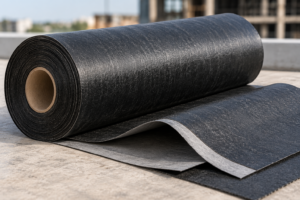
Bitumen Paper, sometimes referred to as Damar Roll in local markets, is a paper-based material coated or treated with bitumen. Bitumen is a water-resistant, petroleum-derived material used in a range of protective building products. The coating helps reduce water penetration through the material, while the paper base provides a flexible sheet that can be handled and positioned during installation. Product construction and performance can vary, so buyers should confirm the exact specification, intended use and installation guidance with the supplier before selecting a roll.
Key Benefits of Bitumen Paper
One reason Bitumen Paper is considered for certain construction jobs is its ability to act as a moisture-resistant layer. Depending on the product specification and the overall system, it may help protect selected surfaces from damp conditions and incidental water exposure.
• Moisture resistance: The bitumen layer helps resist water penetration when the product is suitable for the application and correctly installed.
• Flexible handling: Roll format can make the material practical to transport, measure and position on appropriate surfaces.
• Protective layer: It may be used as one component in a wider roofing or damp-proofing assembly.
• Versatile applications: Different grades may suit specific building or lining uses. Check the product specifications with the supplier.
• Practical supply format: Rolls can support projects that require continuous lengths or coverage across defined areas.
Common Applications of Bitumen Paper
The right use depends on the product grade and the design of the building assembly. Common applications may include:
• Roofing: Used in selected roofing systems as an underlay or protective layer where the product specification allows.
• Damp-proofing: Considered for certain applications where reducing moisture movement is required.
• Insulation systems: May be used alongside other materials in some assemblies, subject to compatibility and installation guidance.
• Construction and maintenance: Used for specified protective applications in residential, commercial or industrial projects.
How to Choose the Right Bitumen Paper
Before purchasing Bitumen Paper, assess where it will be installed and what type of exposure it must withstand. Ask the supplier for product details, including roll dimensions, thickness or weight, compatibility with adjacent materials, storage instructions and recommended installation method. For roofs and other building-envelope applications, check whether the selected product is intended for that specific system rather than assuming every bitumen-coated roll provides the same performance.
It is also important to consider local climate, surface preparation, drainage and the need for other waterproofing components. A paper product should not automatically be treated as a complete waterproofing solution; some projects require membranes, flashing, sealants or professionally designed systems. Following project specifications and qualified installation advice helps reduce the risk of moisture problems.
When planning waterproofing and moisture protection, it is important to consider the building structure, surface conditions and suitable installation methods. For additional guidance on managing moisture in buildings, refer to the U.S. Department of Energy’s moisture and weatherisation guidance.
Sourcing Bitumen Paper from a Reliable Supplier
For commercial projects, consistent availability and clear product information can make procurement easier. When comparing options, look for a supplier who can explain the intended application, provide relevant specifications and help you identify a suitable grade for your requirements.Star Convertors supplies Bitumen Paper for businesses looking for suitable paper solutions for construction and damp-proofing applications. Explore our Bitumen Paper range to learn more about the product and discuss your supply requirements.
Safety and Installation Considerations
Waterproofing performance depends on more than the sheet material alone. Surface condition, overlaps, joints, drainage and installation quality can all affect the final result. Use Bitumen Paper only for applications supported by its product documentation, and follow applicable building codes and site safety requirements. Where work involves a roof, enclosed structure or complex damp-proofing detail, seek advice from a qualified building professional.
Conclusion
Bitumen Paper can be a useful moisture-resistant material for selected roofing, insulation-related and damp-proofing applications. Its suitability depends on the product specification, site conditions and how it is installed as part of the overall building system. Before ordering, confirm the intended use and technical details with a trusted supplier. Star Convertors supports businesses with paper supply solutions and can help customers discuss their Bitumen Paper requirements for commercial and industrial projects.
External Link Recommendation